
Luxury hybrid cars are changing the way South Africans experience premium motoring. With fuel costs remaining an important consideration, more drivers are exploring vehicles that combine powerful performance with electric technology.
Fortunately, choosing a more efficient vehicle does not mean giving up comfort, style or driving excitement.
From advanced hybrid systems to impressive electric driving ranges, luxury automotive brands are creating new opportunities for motorists who want the best of both worlds.
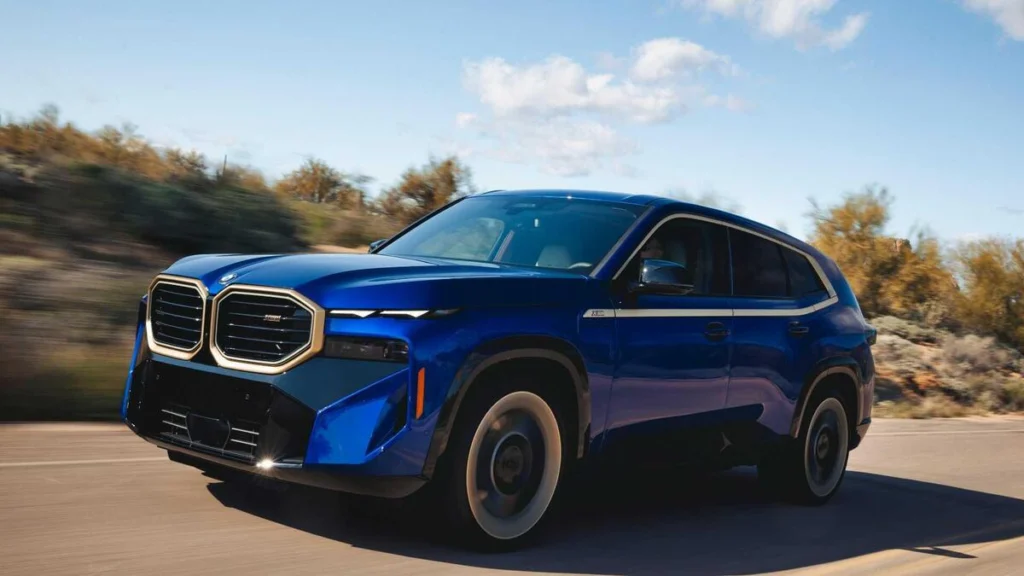
The BMW XM is an exciting example of this development.
Why Luxury Hybrid Cars Are Growing in Popularity
Luxury hybrid cars combine traditional engine technology with electric power to improve efficiency and enhance the driving experience.
As automotive technology develops, manufacturers are introducing more electrified vehicles across their premium ranges.
These advancements offer several potential benefits, including reduced petrol consumption, quieter driving and improved energy management.
Additionally, electric assistance can deliver immediate torque, supporting smooth acceleration and responsive performance.
However, not all hybrid vehicles operate in the same way.
Understanding the different technologies can help buyers choose a vehicle suited to their lifestyle.
Luxury Hybrid Cars: HEV vs PHEV Explained
Two common hybrid technologies are Hybrid Electric Vehicles (HEVs) and Plug In Hybrid Electric Vehicles (PHEVs).
Although both combine petrol engines with electric motors, they operate differently.
Hybrid Electric Vehicles (HEVs)
A conventional hybrid uses a petrol engine and an electric motor to power the vehicle.
Its battery is charged through regenerative braking and the petrol engine, so external charging is generally unnecessary.
As a result, HEVs can improve fuel efficiency without requiring drivers to install charging equipment.
Plug In Hybrid Electric Vehicles (PHEVs)
Plug in hybrids feature a larger battery that can be charged using an external electricity supply.
Therefore, they can usually travel further using electric power alone than conventional hybrids.
For motorists who regularly complete shorter journeys, a PHEV can reduce petrol consumption when charged frequently.
However, longer trips may still require petrol, making these vehicles practical for drivers who want flexibility.
BMW XM: A New Standard for Luxury Hybrid Cars
The BMW XM demonstrates how electrification and high performance can work together.
With its bold exterior, commanding road presence and premium interior, the XM offers a distinctive approach to luxury SUV design.
Furthermore, its advanced powertrain combines a powerful petrol engine with electric assistance.
The original BMW XM V8 plug in hybrid features a 4.4 litre twin turbocharged V8 engine paired with an integrated electric motor.
Together, these deliver impressive performance.
BMW XM Engine and Performance
The original V8 BMW XM powertrain delivers:
| Specification | BMW XM |
|---|---|
| Engine | 4.4 litre twin turbocharged V8 |
| Powertrain | Plug in hybrid |
| Combined output | 480 kW |
| Combined torque | 800 Nm |
| Transmission | 8 speed automatic |
| Drive system | All wheel drive |
This combination provides the strong acceleration and refined driving experience expected from a premium performance SUV.
However, the BMW XM range includes different versions, and specifications vary between models.
BMW XM Battery Capacity and Electric Driving Range
One of the key attractions of luxury hybrid cars is the ability to complete certain journeys using electric power.
The BMW XM includes a high voltage battery designed to support electric driving and improve powertrain efficiency.
BMW XM Battery Specifications
The original BMW XM V8 features a battery with approximately 25.7 kWh of usable capacity.
Its electric driving range depends on the model year, equipment and testing conditions.
Certain BMW XM variants offer an advertised electric range of up to approximately 88 kilometres under WLTP testing.
However, buyers should confirm the official range for the specific model they are considering.
Actual electric range can also vary according to temperature, traffic, road conditions, driving style and climate control use.
Charging a Luxury Plug In Hybrid
Plug in hybrid vehicles can be charged using compatible home or public charging equipment.
Depending on the BMW XM model year and specification, AC charging capabilities may differ.
For example, some versions support charging at up to 7.4 kW, while other configurations may offer different charging capabilities.
Therefore, checking the exact vehicle specification is important before purchasing or installing charging equipment.
Can Luxury Hybrid Cars Reduce Fuel Costs?
One of the biggest advantages of luxury hybrid cars is their potential to reduce petrol consumption.
For example, a driver who regularly travels short distances may be able to complete many daily journeys using electric power.
This can reduce visits to the petrol station, particularly when the vehicle is charged consistently.
However, electricity is not free, and charging costs should be included when calculating total running expenses.
What Influences Hybrid Vehicle Savings?
Several factors affect how much a driver can save.
Daily driving distance: Shorter journeys may allow a PHEV to make greater use of its electric driving capability.
Charging frequency: Regular charging helps drivers benefit from the electric motor and battery.
Driving conditions: Traffic, speed and terrain can influence both petrol and electricity consumption.
Vehicle performance: Powerful luxury hybrids can still consume considerable fuel when driven aggressively or when the battery is depleted.
As a result, hybrid technology offers opportunities for improved efficiency, but actual savings depend on how the vehicle is used.
Do Luxury Hybrid Cars Still Offer Premium Performance?
Absolutely. Electrification is not limited to economical city vehicles.
Luxury manufacturers are using electric motors to improve acceleration, power delivery and driving refinement.
The BMW XM illustrates this approach by combining a powerful V8 engine with advanced hybrid technology.
Additionally, its premium cabin, distinctive design and advanced driving features ensure that luxury remains central to the ownership experience.
For drivers who appreciate both performance and innovation, luxury hybrid cars offer an appealing alternative to conventional petrol powered vehicles.
The Future of Luxury Hybrid Cars in South Africa
As automotive technology continues to develop, South African motorists can expect a broader selection of electrified luxury vehicles.
However, choosing between petrol, hybrid and fully electric vehicles depends on individual requirements.
Buyers should consider driving distances, access to charging, maintenance needs and overall ownership costs.
Furthermore, long distance drivers may have different priorities from motorists who primarily travel within cities.
For a closer look at traditional performance vehicle running expenses, explore The Latest in Luxury Part 1, where we examine Ferrari Purosangue fuel consumption and luxury motoring costs.
Discover Luxury Vehicles at S4 Auto
At S4 Auto, we understand that every luxury vehicle buyer has different expectations.
Whether you prefer the unmistakable character of a powerful petrol engine or the innovation of hybrid technology, finding the right vehicle is essential.
Explore our premium vehicle showroom to discover available luxury and performance vehicles.
You can also browse our latest promotions or consider upgrading through our Sell Your Car service.
Experience Luxury Motoring with S4 Auto
Your next luxury vehicle should offer the right combination of performance, comfort and practicality.
Contact S4 Auto to discuss your requirements or explore the exclusive vehicles currently available.
Vehicle specifications and electric driving ranges vary by model year, market and configuration. Actual fuel savings depend on driving conditions, charging habits and electricity costs.